
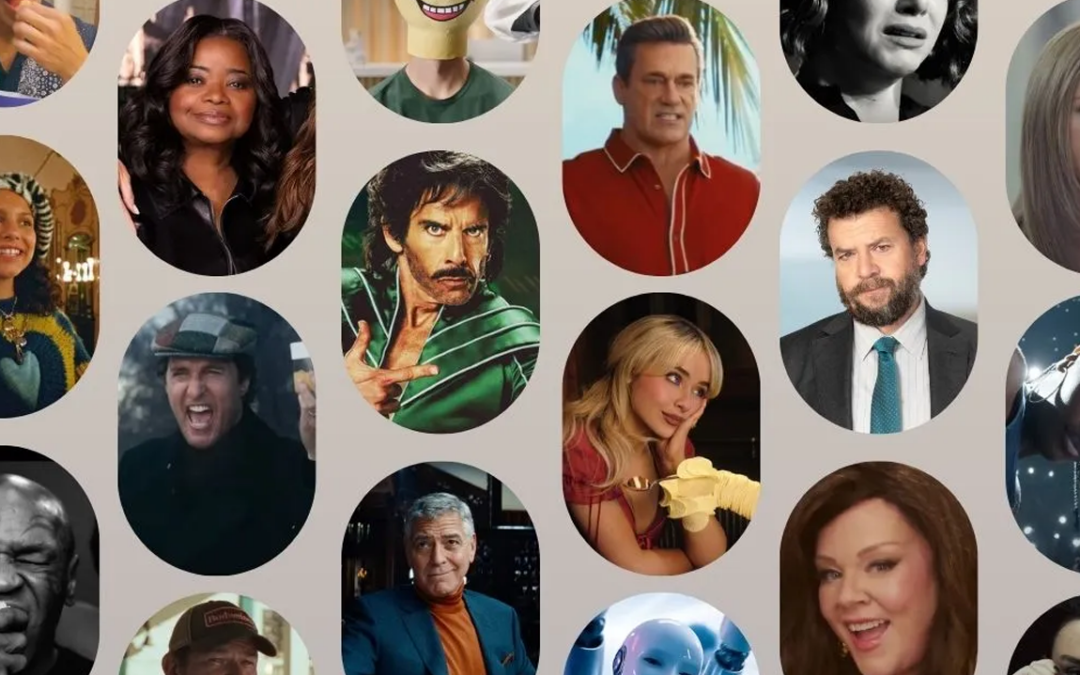
Celebrity endorsements have come a long way from traditional television commercials and glossy magazine campaigns. In 2026, endorsements are no longer just about attaching a famous face to a product, they have evolved into fully integrated influence ecosystems powered by social media, AI, data, and authenticity. Ss consumer behavior continues to shift, brands are rethinking how they collaborate with celebrities, creators, athletes, musicians, and digital personalities to build trust, relevance, and cultural impact.
The Origins of Celebrity Endorsements
Celebrity endorsements have existed for over a century. In the early 1900s, athletes and film stars began appearing in newspaper advertisements to lend credibility and prestige to products. By the 1980s and 1990s, celebrity marketing exploded alongside television culture. Iconic partnerships became part of pop culture history:
- Michael Jordan and Nike
- Pepsi and Britney Spears
- George Clooney and Nespresso
- David Beckham and Adidas
The formula was simple: fame generated attention, and attention drove sales. For decades, this model dominated global advertising.
The Social Media Revolution
The rise of platforms like Instagram, YouTube, TikTok, and X completely transformed the endorsement landscape. Suddenly, celebrities were no longer dependent on television appearances or magazine covers to reach audiences. They could speak directly to millions of followers in real time.
This changed everything. Brands quickly realized that:
- engagement mattered more than reach,
- authenticity outperformed scripted advertising,
- and niche influence could outperform mainstream fame.
The result was the emergence of creator culture, where influencers, streamers, podcasters, and internet personalities became just as valuable as traditional celebrities.
Celebrity Endorsements in 2026
In 2026, celebrity endorsements are smarter, more personalized, and far more performance-driven than ever before.
- Authenticity Is the New Currency
Consumers have become highly skeptical of forced sponsorships. Audiences can instantly recognize when a partnership feels transactional or disconnected.
Today’s most successful endorsements happen when:
- the celebrity genuinely uses the product,
- the partnership aligns with their personal brand,
- and the collaboration feels natural within their content ecosystem.
Brands are prioritizing long-term ambassadors over one-off promotional campaigns.
- AI and Data Are Reshaping Partnerships
Artificial intelligence now plays a major role in identifying endorsement opportunities.
Brands use AI tools to analyze:
- audience demographics,
- engagement quality,
- sentiment analysis,
- conversion performance,
- and brand compatibility.
Instead of relying purely on fame, marketers now focus on measurable influence and audience trust.
This has made celebrity marketing significantly more strategic and data-driven.
- Micro-Influencers Compete with Global Celebrities
One of the biggest shifts in 2026 is the rise of micro and mid-tier influencers.
While A-list celebrities still command massive visibility, smaller creators often deliver:
- higher engagement,
- stronger audience trust,
- better niche targeting,
- and more cost-efficient ROI.
For many brands, a network of 50 niche creators can outperform a single celebrity endorsement campaign.
- Virtual Celebrities and AI Influencers Are Mainstream
The line between real and digital personalities is rapidly blurring.
AI-generated influencers, virtual ambassadors, and digital celebrities are now appearing in campaigns for:
- fashion,
- beauty,
- gaming,
- technology,
- and luxury brands.
These digital personalities offer brands:
- complete creative control,
- 24/7 availability,
- multilingual scalability,
- and lower long-term costs.
While controversial, virtual influencers are becoming an increasingly accepted part of modern advertising.
- Endorsements Have Become Content Ecosystems
Celebrity partnerships are no longer limited to a single advertisement.
Modern endorsement campaigns now include:
- TikTok videos,
- podcast appearances,
- livestream integrations,
- behind-the-scenes content,
- exclusive drops,
- interactive fan experiences,
- and AI-personalized content streams.
The goal is no longer visibility alone, it’s sustained audience participation.
The Challenges Brands Face in 2026
Despite the opportunities, celebrity endorsements are more complex than ever.
Brands must navigate:
- cancel culture and reputation risk,
- fake engagement and bot audiences,
- over-commercialization,
- short attention spans,
- and increasing consumer demand for transparency.
A single controversial moment can impact both the celebrity and the brand overnight.
This has pushed companies to focus more heavily on values, alignment, and long-term trust.
What the Future Looks Like
The future of celebrity endorsements will likely become even more immersive and technology-driven.
Emerging trends include:
- AI-generated personalized endorsements,
- augmented reality brand experiences,
- digital twins of celebrities,
- interactive virtual ambassadors,
- and blockchain-powered fan engagement.
At the same time, one principle remains unchanged:
People trust people.
Whether it’s a Hollywood actor, a TikTok creator, or a virtual influencer, successful endorsements will continue to depend on emotional connection, credibility, and cultural relevance.
Final Thoughts
Celebrity endorsements in 2026 are no longer just advertisements, they are dynamic relationships between brands, creators, communities, and technology.
What began as simple product promotion has evolved into a sophisticated blend of storytelling, data, entertainment, and digital influence.
For brands, the challenge is no longer finding famous people.
It’s finding authentic voices that audiences genuinely trust.