
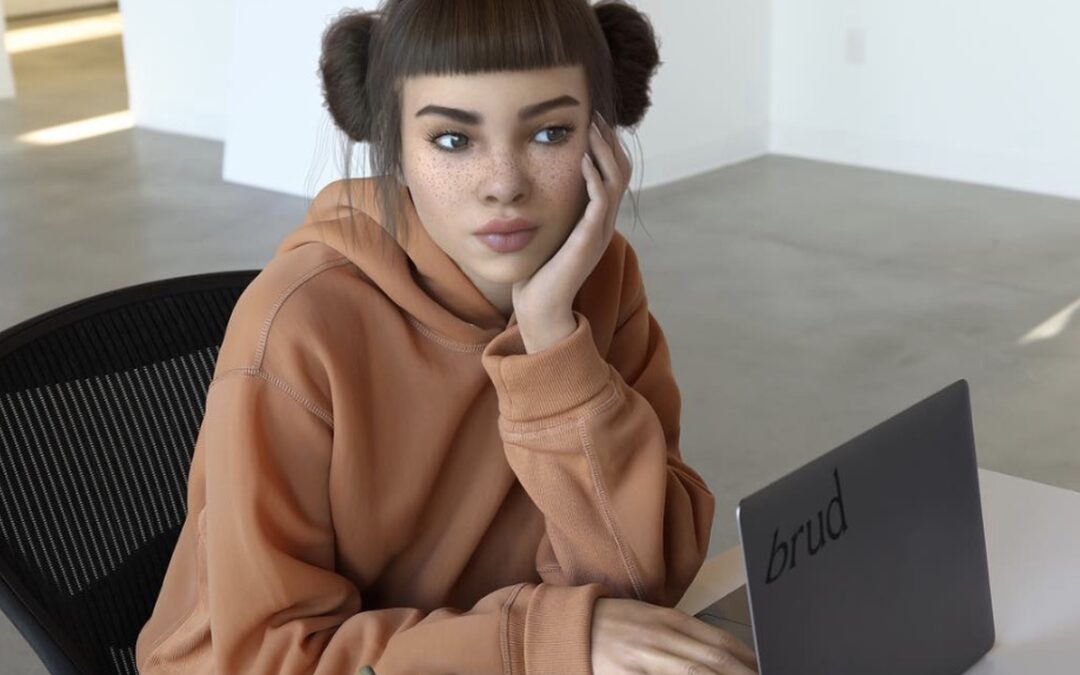
For over a decade, celebrity endorsements followed a familiar formula: brands paid famous actors, athletes, and musicians to borrow their audience and cultural relevance. But in 2026, that model is changing fast. The biggest shift is not just who gets endorsement deals, it’s what they are. AI-generated influencers, virtual ambassadors, and synthetic personalities are now competing directly with human celebrities for brand budgets. And in some sectors, they are already winning. From fashion campaigns to ecommerce promotions and always-on social content, brands are increasingly choosing AI-powered personalities because they offer something traditional celebrities cannot: complete control, scalability, and nonstop content production.
The Rise of the AI Celebrity
Virtual influencers are no longer experimental side projects. Digital personalities like Lil Miquela, Aitana López, and Lu do Magalu have become mainstream marketing assets with millions of followers and real brand partnerships. What changed in 2026 is the scale. Industry analysts now estimate the virtual influencer market at over $8 billion, with CMOs steadily shifting larger portions of influencer budgets toward AI personalities.
The appeal for brands is obvious:
- No scheduling conflicts
- No off-brand scandals
- Infinite multilingual content
- Consistent messaging
- Lower production costs
- Faster campaign turnaround
A traditional celebrity endorsement may take weeks to coordinate. An AI ambassador can produce platform-specific content in hours.
That efficiency is reshaping how marketing teams think about endorsements.
Why Brands Are Moving Away From Traditional Celebrity Deals
Celebrity marketing is becoming harder to justify purely on reach alone. Across social platforms, engagement increasingly favors niche creators and micro-influencers over mega celebrities. Recent marketing data shows that smaller creators are delivering stronger conversion rates and significantly better ROI than traditional top-tier celebrity campaigns.
In 2026, marketers care less about follower counts and more about measurable performance:
- Click-through rates
- Conversions
- Watch time
- UGC generation
- Community interaction
- Attribution data
That creates a major problem for expensive celebrity partnerships that primarily deliver awareness but limited measurable action. At the same time, creator culture has fragmented audiences into highly specialized communities. Consumers increasingly trust personalities that feel relatable, niche, and authentic rather than polished celebrity endorsements. This is where AI agents and synthetic influencers enter the picture.
The New Celebrity Endorsement Model: Hybrid Influence
The future is not entirely human or entirely artificial. The emerging model in 2026 is hybrid influence.
Brands are combining:
- Human creators for storytelling and trust
- AI ambassadors for scalability and operational efficiency
Marketing communities are already discussing this split openly. Human creators remain strongest for emotional storytelling and authenticity, while AI influencers dominate high-volume, always-on content production.
This hybrid approach is especially powerful for:
- Ecommerce brands
- Fashion labels
- Gaming companies
- Consumer apps
- DTC startups
- Global multilingual campaigns
Instead of relying on one celebrity to carry a campaign, brands are building ecosystems of creators, AI agents, and virtual ambassadors working together.
AI Endorsements Solve the “Brand Safety” Problem
One of the biggest reasons brands are embracing AI-generated endorsers is risk management. Traditional celebrity partnerships carry enormous unpredictability:
- PR controversies
- Reputation damage
- Public disputes
- Competitor conflicts
- Content delays
- Contract complications
Virtual ambassadors eliminate most of those variables. AI personalities never go off-message, miss deadlines, or create negative headlines. They operate entirely within brand guidelines and can be updated instantly as campaigns evolve. For enterprise marketing teams, that level of control is extremely attractive.
But Authenticity Still Matters
Despite rapid growth, AI endorsements still face skepticism. Consumers are becoming more aware of synthetic content, and authenticity remains one of the strongest drivers of trust online. Research and community discussions suggest that audiences still value human creators for emotionally sensitive topics and genuine personal connection. That means fully replacing human influencers is unlikely.
Instead, brands that succeed in 2026 will be the ones that understand when to use:
- Real people
- AI personalities
- Or a combination of both
The winning strategy is not replacing creators with AI. It is building scalable creator ecosystems powered by intelligent agents.
What This Means for the Future of MarketingCelebrity endorsements are evolving from static sponsorships into dynamic, AI-powered brand ecosystems.
The old model:
- One celebrity
- One campaign
- One audience
The new model:
- Multiple creators
- AI-generated personalities
- Personalized content streams
- Continuous engagement
- Performance-driven distribution
In many ways, the “celebrity” itself is becoming programmable. And that shift is exactly why AI agents are becoming central to the future of digital marketing. Brands no longer just need influencers. They need intelligent personalities that can create, adapt, engage, and scale across every platform simultaneously. That is where AI-native marketing infrastructure becomes essential. For companies building in this space, 2026 is not the beginning of the trend.
It is the tipping point.